
Last updated on June 5th, 2026 at 11:41 pm
If you live along the Gulf Coast and you have pets, you already know the feeling.
A storm forms. Then it starts tracking. Then it strengthens.
You’re checking the forecast constantly, watching the cone shift, figuring out if you need to leave—and trying to do all of that while making sure your pets are safe too.
I’ve evacuated with pets more than once. During Hurricane Ian, I drove all the way to Mississippi with our dog Pearle. Gas was hard to find, traffic was exhausting, and getting home afterward was just as stressful.
A couple of years later, when Hurricane Milton threatened the Tampa area, I made a better decision. I stayed closer, planned ahead, and had everything ready to go.
That preparation made all the difference.
If you live anywhere along the Gulf Coast—Texas, Louisiana, Mississippi, Alabama, or Florida—this guide will help you create a clear, practical plan to evacuate safely with your pets.
Understanding Hurricane Risk on the Gulf Coast (and Why Pets Are Vulnerable)

Hurricane season runs from June 1 through November 30, but the most active months are usually August through October.
Storms in the Gulf of Mexico can strengthen quickly, sometimes intensifying in less than 24 hours. That means evacuation decisions often need to happen fast.
Each state uses slightly different systems:
- Florida uses evacuation zones (A–F)
- Texas and Louisiana often use county or parish-based orders
- Mississippi and Alabama rely on county-level guidance
No matter where you live, the key is the same:
Know your evacuation status before a storm is approaching.
Storm surge—not wind—is the biggest danger. Water can move inland quickly and flood areas faster than you expect.
After Hurricane Katrina, many people refused to evacuate because they couldn’t take their pets. In response, the U.S. passed the Pets Evacuation and Transportation Standards Act, which requires states to include pets in disaster planning.
That means pet-friendly shelters exist—but you need to know where they are ahead of time.
What to Pack in a Pet Emergency Kit for Hurricanes
If you have to evacuate, you may only have 12–24 hours to leave.
That’s not enough time to gather supplies.
Your goal is to have everything packed and ready.
Every pet owner that lives in a hurricane area should have:
- Food and water for at least 7 days, stored in waterproof containers. Include bowls and extra bottled water just for your pet.
- Medical records and medications, including a current rabies certificate and at least a two-week supply of prescriptions when possible.
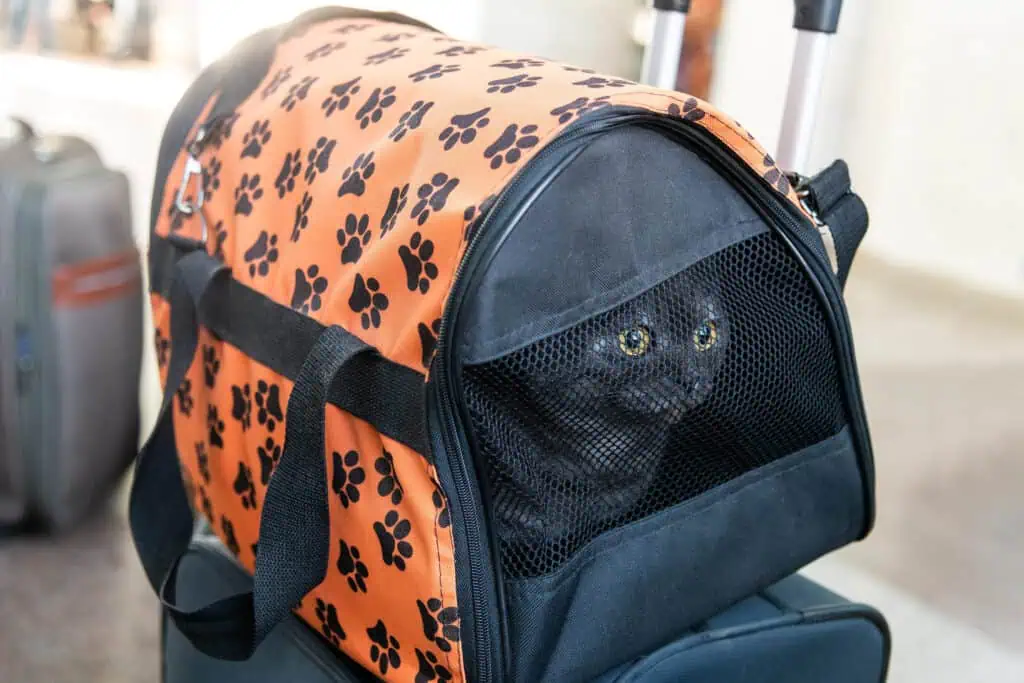
- A properly sized carrier or crate for each pet. It should allow them to stand, turn around, and lie down comfortably.
- Comfort items like a blanket or toy that smells like home to reduce stress.
- Species-specific supplies such as a travel litter box for cats, extra leashes for dogs, or bedding for small animals.
- Identification, including updated ID tags and microchip information, along with printed and digital photos of your pet.
How to Make a Pet Evacuation Plan Before a Storm Is Named
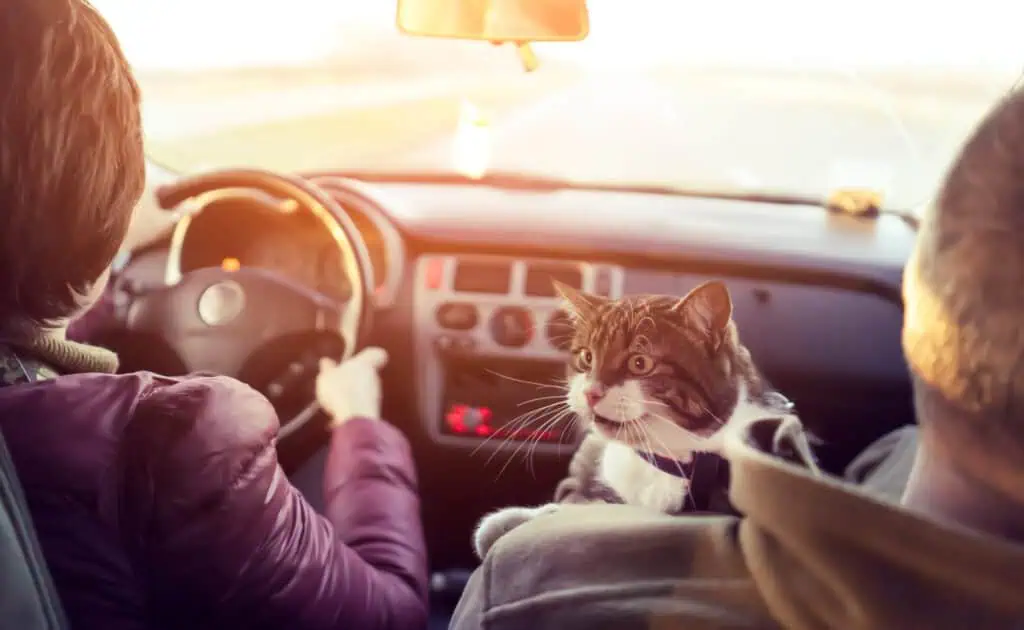
The biggest mistake people make is waiting too long to plan.
During my first evacuation, we drove too far without thinking through fuel availability or traffic patterns. That made the situation much harder than it needed to be.
Now, I plan differently—and it works.
Your evacuation plan should include:
Two evacuation routes. Always have a primary and backup option in case of traffic or closures.
A destination that is closer than you think. You usually don’t need to leave the state—just get out of the storm’s path and away from surge zones. I live near Tampa, so during Hurricane Milton in 2024 we evacuated to Orlando in central Florida.
A list of pet-friendly hotels. Websites like BringFido can help you find options ahead of time.
Your nearest pet-friendly evacuation shelter. Contact your local emergency management office to find out requirements.
An out-of-area contact who can help coordinate communication if needed.
Planning ahead turns a stressful evacuation into a manageable one.
Where to Go: Pet-Friendly Hotels and Shelters on the Gulf Coast
You have two main options: hotels or public shelters.
Pet-friendly hotels are often the easiest option if you can book early. Some hotels waive pet fees during emergencies, but you need to confirm this in advance.
Public shelters are available if you don’t have another place to go. Because of the Pets Evacuation and Transportation Standards Act, Gulf Coast states must include pets in evacuation planning.
You will usually need:
- Proof of vaccinations (especially rabies)
- A carrier or crate
- Your own food and supplies
- Chill meds (for dogs and/or cats)
Expect a busy, noisy environment and plan accordingly.
When to Evacuate With Pets (Don’t Wait for Mandatory Orders)
This is one of the most important parts of your plan.
Leave when a voluntary evacuation is announced—not when it becomes mandatory.
By the time mandatory evacuations are issued:
- Traffic is already heavy
- Gas stations may be running low – check this site out to help you find gas along your evacuation route.
- Your window to leave safely may be closing
If you have pets, you need extra time.
Loading carriers, packing supplies, and managing anxious animals takes longer than you think.
Leaving early gives you time and options.
Traveling Safely With Pets During a Hurricane Evacuation
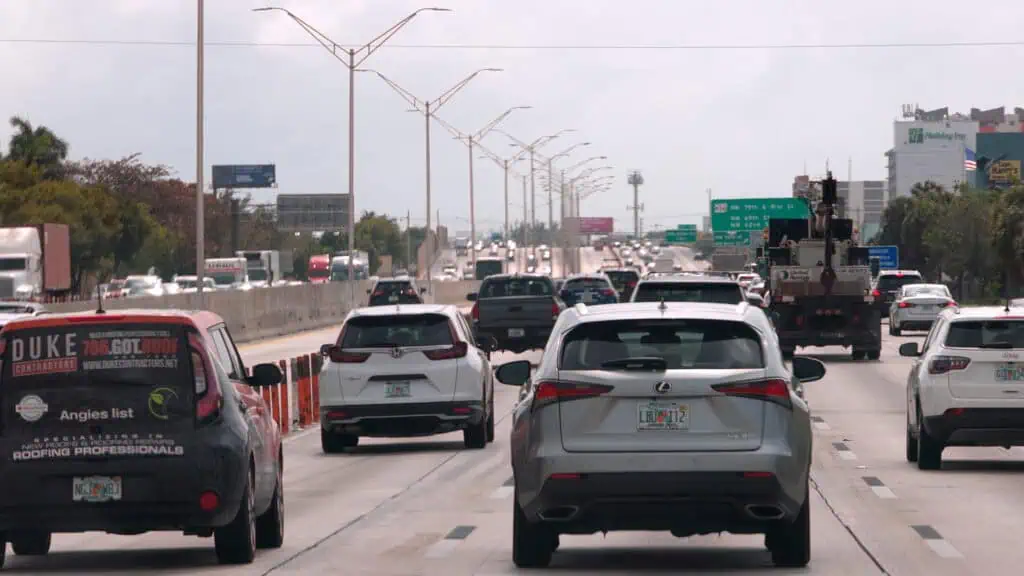
When you’re on the road:
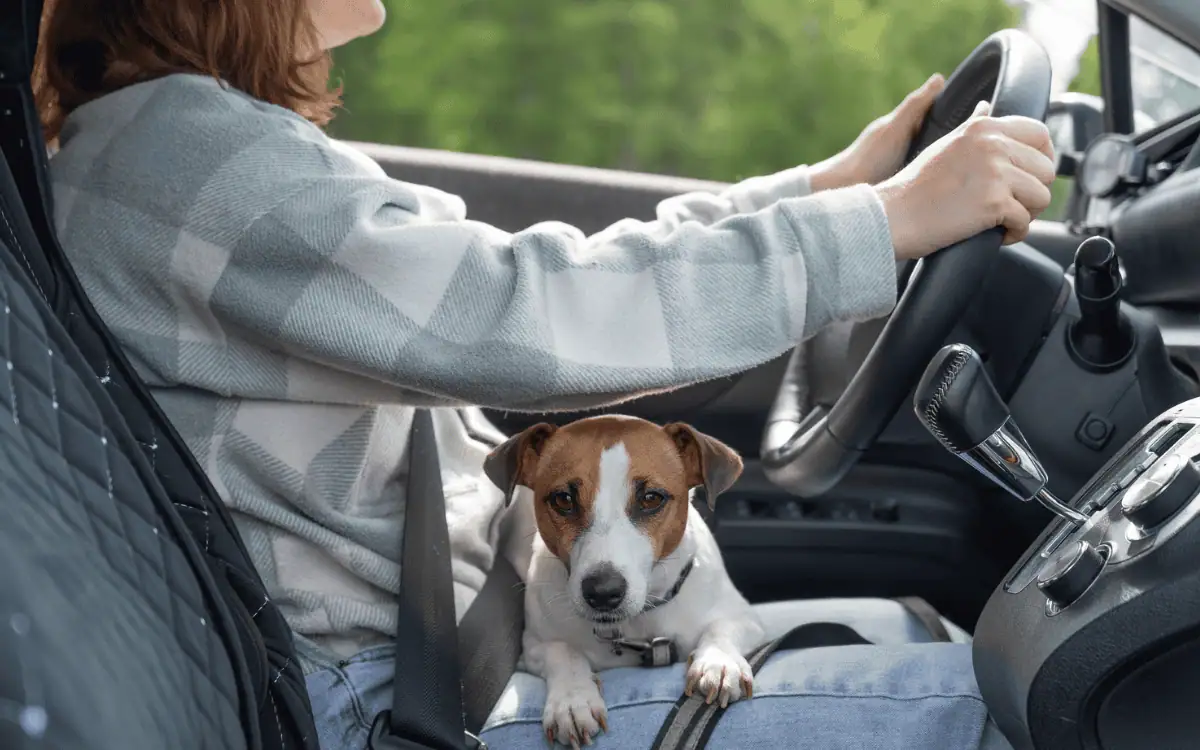
Keep pets secured in carriers for safety.
Never leave pets in a parked car, even briefly.
Plan fuel stops early and keep your gas tank full.
Have one person stay with the pets if you need to stop.
Bring everything you need so you don’t have to rely on finding supplies along the way. If your cat struggles with travel, check out my post on cat travel anxiety for simple ways to help reduce stress.
If your dog gets stressed out in the car, you might consider trying something natural—take a look at this blog post to learn more.
What to Expect at a Pet-Friendly Shelter or Hotel
Preparation makes a huge difference once you arrive.
At hotels:
- Confirm pet policies in advance
- Keep pets with you whenever possible
- Maintain their normal routine as much as you can
At shelters:
- Be prepared for noise and crowds
- Keep pets contained at all times
- Bring familiar items to reduce stress
If your pet is prone to anxiety, talk to your veterinarian before hurricane season about safe options.
Returning Home Safely With Your Pets After a Hurricane
After the storm passes, it’s tempting to return home immediately.
Wait until officials say it’s safe.
When you return:
Check for hazards like downed power lines, debris, and contaminated floodwater.
Watch for displaced wildlife that may be sheltering near your home.
Inspect your house for damage before letting pets roam freely.
Expect temporary behavior changes. Stress, anxiety, and changes in appetite are common and usually resolve within a few days.
Final Thoughts: Preparing Now Can Save Your Pet’s Life
Hurricane preparedness isn’t something you do once—it’s something you stay ready for.
If you live along the Gulf Coast, you may only have a short window to act when a storm is coming.
The difference between a chaotic evacuation and a calm one comes down to preparation.
If your supplies are packed, your plan is in place, and you know where you’re going, you’ll be ready.
And more importantly—your pets will be too.
Helpful Resources
- Florida Division of Emergency Management – Know Your Zone
- My Ultimate Pet Emergency Kit Guide
- My DIY Pet First Aid Kit
- BringFido – Pet-Friendly Hotel Finder
- PetsWelcome – Pet-Friendly Hotel Finder
- ASPCA Disaster Preparedness
- Florida Department of Agriculture – Livestock Evacuation Resources
- Petco Love Lost – an app that uses facial recognition to reunite pets with their owners.

Dr. Georgina Ushi is a veterinarian and freelance medical writer. She earned her Doctor of Veterinary Medicine degree from the University of Florida College of Veterinary Medicine in 2009. Dr. Ushi has worked for 16 years in the Tampa Bay area, providing compassionate care to dogs, cats, and exotic pets.
In addition to her clinical work, she serves as an adjunct instructor at Florida A&M University, teaching in the veterinary technology program. Dr. Ushi also consults for pet well-being brands and writes evidence-based pet health content for Pet Health Love, as well as for PetMD. She is passionate about educating and empowering pet owners through clear, trustworthy information.
Her professional interests include emergency medicine, dermatology, pet telehealth, nutrition, and wildlife medicine.