

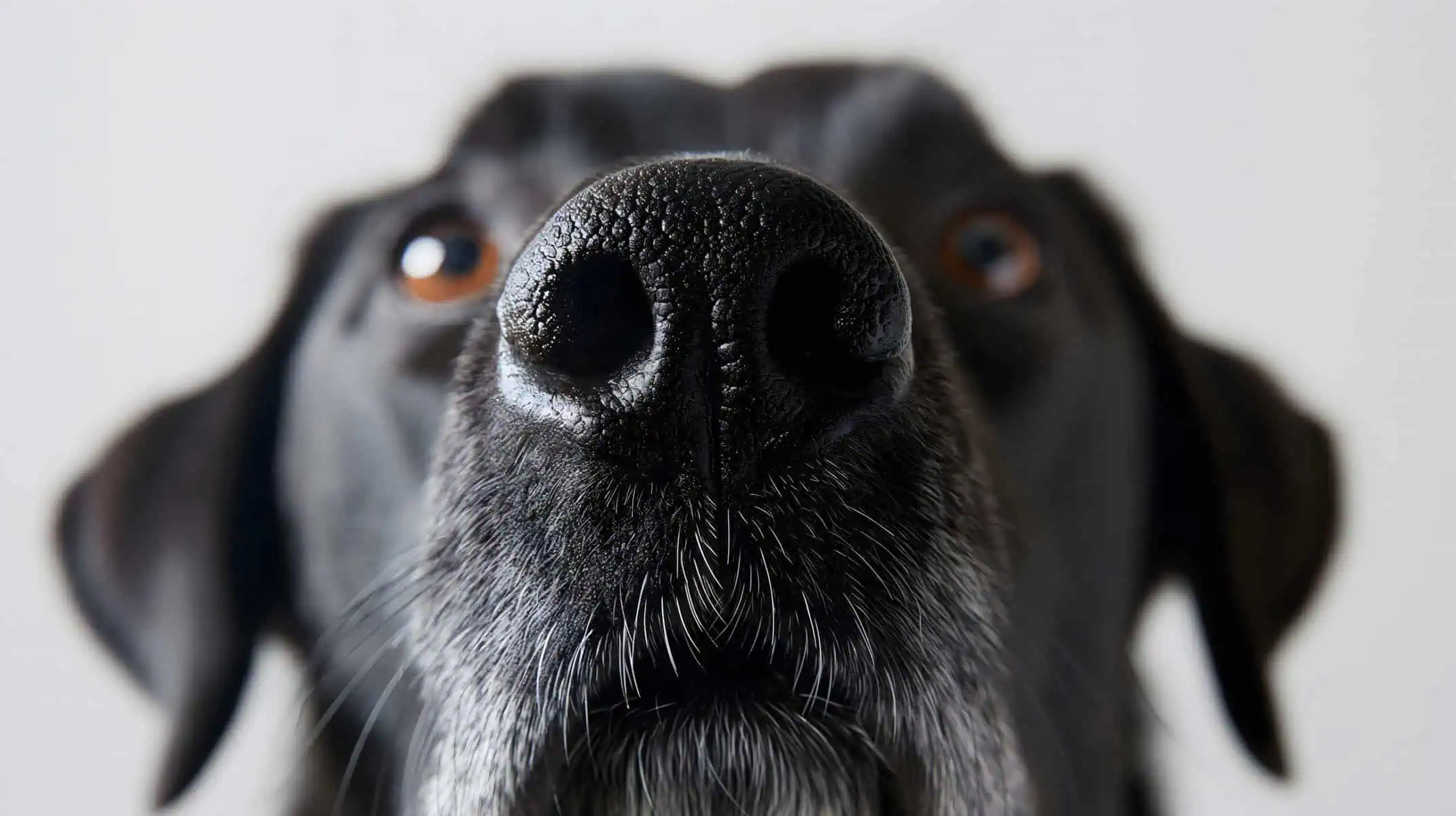
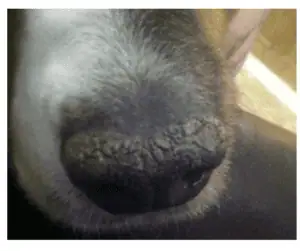
Ever touch your dog’s nose and think, “Hmm… why does this feel like sandpaper?” A dry cracked dog nose isn’t just uncomfortable for your pup—it can also be a sign that something in their environment, routine, or health needs attention. While many dogs naturally have noses that go from wet to dry throughout the day, persistent dryness, flaking, or cracking deserves a closer look.
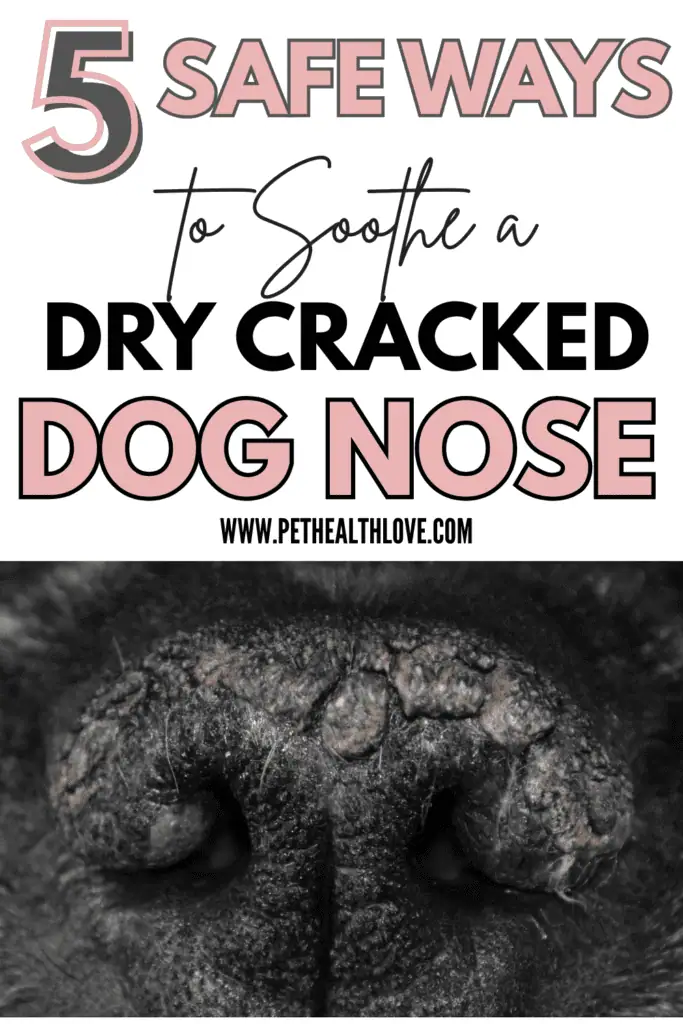
As a veterinarian, I see this issue a lot—especially during winter, allergy season, or after owners try well-intentioned home remedies that end up making things worse. The good news? Most dry noses are easy to manage once you understand what’s causing them and how to treat them safely.
Affiliate Disclaimer: This post may contain affiliate links, which means we may earn a small commission if you purchase something through our links. This helps support our website and allows us to continue providing valuable content. See our full disclosure here.
Let’s break it down.
What Causes a Dry Cracked Dog Nose?
A dog’s nose can become dry or cracked for several reasons, and more than one factor may be involved at the same time.
Environmental and Lifestyle Factors
Weather is a common cause of nose dryness. Cold temperatures, low humidity, indoor heating, wind, and sun exposure can all pull moisture from the nose. Dogs that enjoy sticking their heads out car windows or spending time in sunny spots are especially prone. Dogs with light-colored or pink noses are also more likely to develop sunburn, which can leave the nose dry, painful, and cracked.
Allergies can also contribute. Environmental allergens such as pollen, dust, or mold—as well as irritants like household cleaners or scented candles—may inflame the sensitive skin of the nose and lead to dryness or cracking.
Dehydration is another frequent factor. If a dog is not drinking enough water, dryness may be noticeable on the nose, particularly during illness, hot weather, or periods of increased activity.
Medical Causes
In some cases, an underlying medical condition is responsible for persistent or worsening dryness.
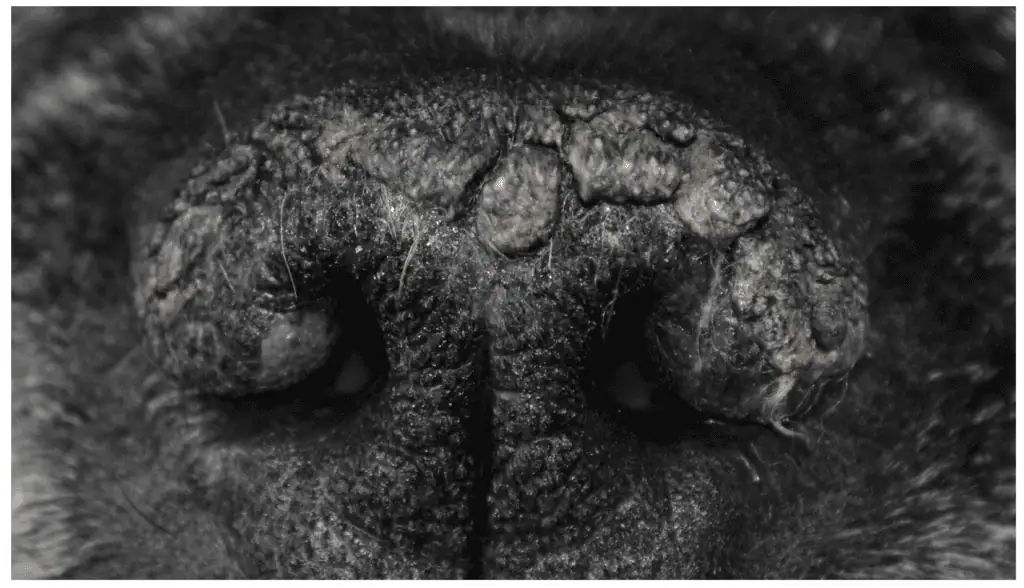
Hyperkeratosis is a common cause and occurs when excess keratin builds up on the nose, leading to thickening and cracking. It most often affects older dogs and may also involve the foot pads. Labrador Retrievers can develop a hereditary form at a young age. Many cases do not require treatment, but topical products containing salicylic acid, vitamin E, or aloe may help. Discharge or a foul odor may indicate infection and should be evaluated by a veterinarian.
Hypothyroidism can cause skin-related changes, including a dry nose, along with hair thinning, weight gain, and lethargy. This condition is common and usually well controlled with thyroid medication once diagnosed.
Autoimmune diseases, such as pemphigus and discoid lupus erythematosus, can affect the skin and mucous membranes, causing crusting, sores, or blisters on the nose and sometimes around the eyes, ears, or feet. These conditions require veterinary diagnosis and treatment, often with immune-suppressing medications.
Dry eye (keratoconjunctivitis sicca, or KCS) is another autoimmune condition that damages the tear glands. Reduced tear production can lead to eye irritation and may also contribute to a dry nose, since tears normally drain into the nasal passages. If only one eye is affected, dryness may be more noticeable on one side of the nose. KCS is manageable with prescription medications.
Mucocutaneous pyoderma is a bacterial infection affecting the skin and mucous membranes. It can cause redness, crusting, and ulceration of the nose and surrounding areas such as the eyes, mouth, and ears. Treatment typically involves antibiotics and topical therapy for several weeks.
As dogs age, natural moisture production can decrease, making older dogs more prone to chronic nose dryness. If a dry or cracked nose is persistent, painful, or worsening, a veterinary exam is important to determine the underlying cause.
How to Help Prevent a Dry Cracked Dog Nose
Prevention often comes down to small, consistent habits.
Make sure your dog always has access to fresh, clean water. Even mild dehydration can affect skin health, including the nose. If your dog isn’t a big drinker, adding water to meals or offering wet food can help.
If your home air is dry, especially during winter, a humidifier can make a noticeable difference—not just for your dog’s nose, but for their skin and respiratory comfort overall.
During extreme weather, limit prolonged exposure and use a protective nose balm before going outside. This creates a barrier against cold, wind, and dry air.
Pay attention to what’s in your home. Switching to pet-safe, fragrance-free cleaning products can reduce irritation for dogs with sensitive skin or allergies.
Nutrition matters too. Diets that include healthy fats, such as omega-3 fatty acids, support skin hydration from the inside out. This can be helpful for dogs that struggle with recurring dryness.
Best Remedies for a Dry Cracked Dog Nose
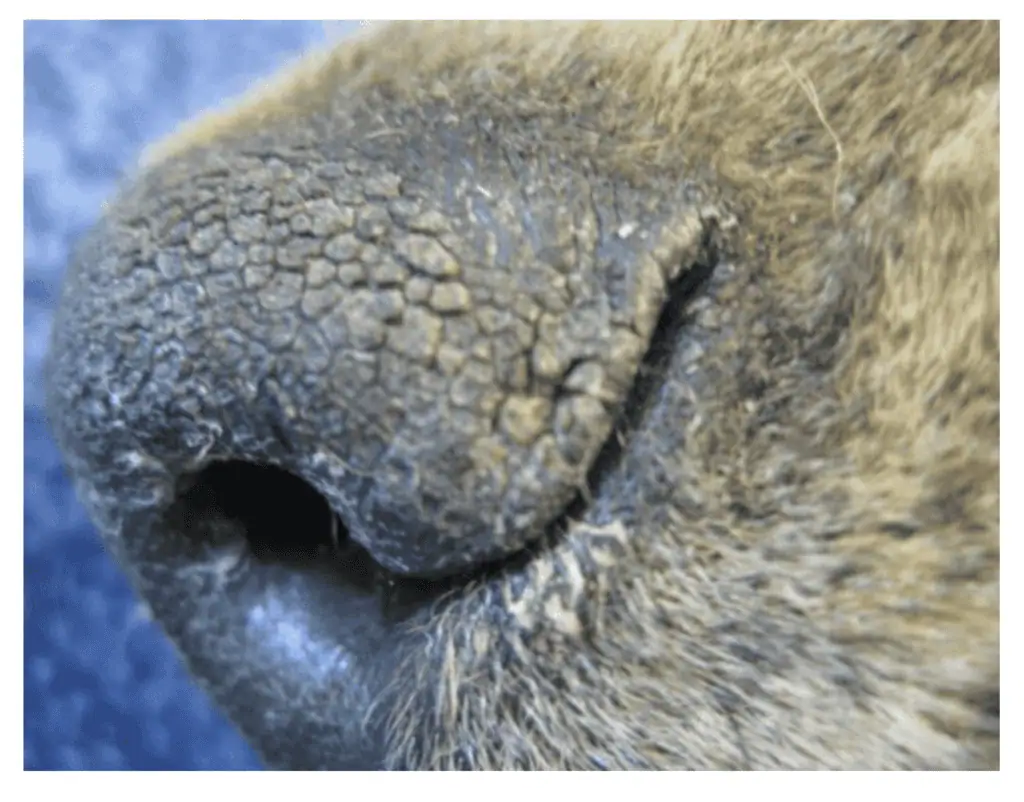
When a dog’s nose is already dry or cracked, gentle care is the goal.
- Dog-specific nose balms are often the easiest and safest option. These are designed to moisturize without ingredients that can sting or cause harm if licked. Look for balms with natural oils and butters rather than strong fragrances or menthol-type additives.
- Plain coconut oil can work for mild dryness. Apply a very thin layer and distract your dog for a minute or two so it has time to absorb before they lick it off.
- Pet-safe wound care gel can soothe irritated skin, especially if the nose looks red or mildly inflamed. Be sure it’s unscented and formulated for pets—many human products contain alcohol or additives that aren’t ideal for dogs.
- Hydration helps externally and internally. Offering water-rich snacks like small amounts of cucumber or watermelon can support moisture levels, especially in warm weather.
- If dryness is linked to a medical issue, prescription ointments or targeted treatments from your veterinarian may be needed. Chronic cracking, bleeding, or thickened nasal tissue shouldn’t be ignored.

What’s in This Nose Balm (and Why It Helps)
These ingredients were chosen because they help moisturize the skin, protect the nose, and lock in moisture. They don’t cure skin problems, but they can help keep a dog’s nose soft and more comfortable while it heals.
Vitamin E oil helps support healthy skin. It can protect the skin from damage and help reduce dryness and flaking. Vitamin E is commonly used for dry skin in dogs and is considered safe for topical use when applied in small amounts.
Coconut oil helps soften dry, cracked skin and adds moisture to rough areas. It also helps prevent the nose from drying out even more. In this recipe, coconut oil’s main role is to moisturize and keep the skin feeling smooth.
Beeswax helps protect the nose by forming a light barrier over the skin. This barrier helps seal in moisture and protects the nose from cold air, wind, and dry weather. It is especially helpful for dogs who get dry noses in winter or in dry climates.
Raw shea butter helps soothe and soften rough skin. It provides deep moisture and helps keep the skin flexible, which can make cracks feel less uncomfortable. Using raw shea butter keeps more of its natural skin benefits.
Important Note
This DIY nose balm is best for mild dryness or small cracks. If your dog’s nose is bleeding, swollen, painful, or not getting better, it’s important to check with a veterinarian. Some nose problems need medical care instead of a home remedy.
DIY Dog Nose Balm (Using Simple, Dog-Safe Ingredients)
If your dog has a mildly dry or cracked nose, a homemade balm can be a gentle option using ingredients you may already have at home. This DIY dog nose balm is safe if licked and works best for early dryness, seasonal cracking, or mild irritation.
This recipe makes about 4 ounces of balm. You can divide it into two small tins or use one larger container. While the active prep time is short, allow several hours for the balm to fully cool and set.
Ingredients
- 2 ½ cups water
- 2 tablespoons vitamin E oil
- 2 tablespoons coconut oil
- 1 ½ tablespoons beeswax
- 1 tablespoon raw shea butter
- Four 1-ounce tin containers
Directions
Set your tin containers on a heat-safe surface where they can remain undisturbed while the balm cools. Once poured, the mixture will be hot.
Add water to a medium saucepan and bring it to a gentle simmer over medium heat. Place all remaining ingredients into a heat-proof glass measuring cup. Set the measuring cup into the saucepan so it sits in the water bath, with the handle kept outside the pot.
As the water heats, the ingredients in the measuring cup will slowly melt together. Stir occasionally until everything is fully liquefied and evenly combined.
Carefully pour the melted mixture into the tins, filling each about three-quarters full. Allow the balm to sit at room temperature for at least four hours, or until completely solid.

How to Use
Apply a small amount to your dog’s nose once or twice daily. Make sure the nose is clean and dry before application. Try to distract your dog for a minute or two afterward so the balm has time to absorb instead of being immediately licked off.
Helpful Tips
All ingredients in this recipe are generally safe for dogs, but if your dog has known allergies or a medical condition, check with your veterinarian before use. This balm is intended for surface dryness, not open wounds or severe cracking.
Raw shea butter helps with consistency and moisturizing but shortens shelf life slightly. You can store the balm in a cool place or refrigerate it to extend freshness. Warm a small amount between your fingers before applying so it’s more comfortable for your dog.
If your dog’s nose is bleeding, ulcerated, thickened, or not improving after several days, stop home treatment and consult your veterinarian to rule out infection or underlying disease.
When to See a Vet
A dry nose by itself isn’t usually an emergency, but certain signs mean it’s time for a veterinary visit.
As a veterinarian, I see many dogs with dry or crusted noses that turn out to be harmless—but I also see cases where persistent dryness is an early sign of an underlying medical issue that needs treatment.
If the dryness lasts more than a few days despite basic care, if the nose is bleeding or ulcerated, or if your dog seems uncomfortable—such as licking, pawing at the nose, or avoiding touch—I recommend having your dog seen by a vet.
Final Thoughts
A dry cracked dog nose is common, but it’s not something your dog has to live with. With the right combination of hydration, environmental care, and safe moisturizers, most dogs improve quickly. Paying attention to changes and knowing when to involve your vet helps keep small issues from becoming bigger problems.
If your dog deals with nose dryness regularly, having a reliable balm—store-bought or DIY—on hand can make a big difference in their comfort.
Does your dog get a dry nose during certain seasons or situations? Share your experience in the comments—you’re definitely not alone. 🐾
Frequently Asked Questions (FAQs)
Do certain dog breeds get dry, cracked noses more often than others?
Yes. Breeds like Bulldogs, Boxers, Labrador Retrievers, and Cocker Spaniels are more prone to nose dryness and hyperkeratosis. Genetics and skin structure play a role.
Is a dry, cracked nose painful for dogs?
It can be. Cracks in the nose may sting or become tender, especially if they split open or become infected. Dogs may rub their face, lick their nose frequently, or seem uncomfortable.
Are older dogs more likely to have a dry, cracked nose?
Yes. As dogs age, their skin produces less natural moisture, making dryness and thickening of the nose more common. Senior dogs are also more prone to hyperkeratosis.
Can a dry, crusty nose in dogs be caused by a fungal infection?
Yes, fungal infections can cause a dry, crusty dog nose, but they are uncommon. When fungus is involved, the nose often looks severely crusted, thickened, or ulcerated and is usually accompanied by other signs such as nasal discharge, sores, swelling, or lethargy.
A mildly dry nose by itself is unlikely to be fungal. Because fungal infections require prescription treatment and can look similar to other conditions, a veterinarian must diagnose them.
Related Articles
Why Does My Dog Have a Runny Nose?
Can Dogs Catch Colds Like People Do?
Cat Coughing and Wheezing: What’s Normal and What’s Not
5 Simple and Helpful Tips For Cat Sneezing Relief

Dr. Georgina Ushi is a veterinarian and freelance medical writer. She earned her Doctor of Veterinary Medicine degree from the University of Florida College of Veterinary Medicine in 2009. Dr. Ushi has worked for 16 years in the Tampa Bay area, providing compassionate care to dogs, cats, and exotic pets.
In addition to her clinical work, she serves as an adjunct instructor at Florida A&M University, teaching in the veterinary technology program. Dr. Ushi also consults for pet well-being brands and writes evidence-based pet health content for Pet Health Love, as well as for PetMD. She is passionate about educating and empowering pet owners through clear, trustworthy information.
Her professional interests include emergency medicine, dermatology, pet telehealth, nutrition, and wildlife medicine.



Leave feedback about this