

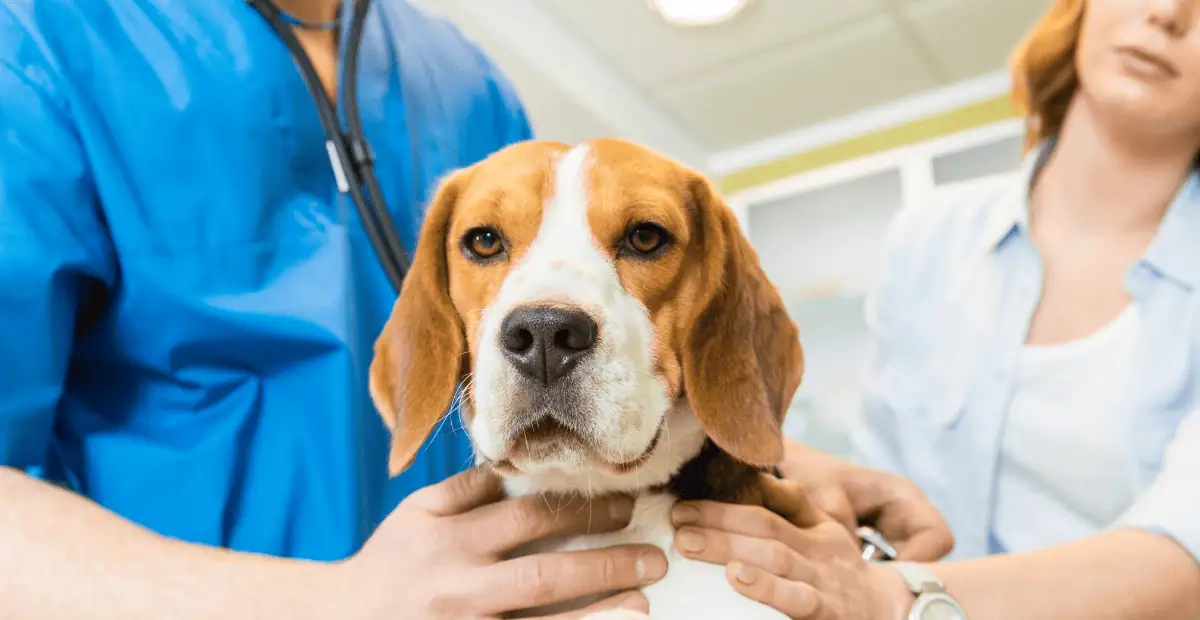
Have you ever noticed a raw, red patch on your dog’s skin that seemed to appear almost overnight? Maybe your dog suddenly won’t stop licking, chewing, or scratching one area, and it looks worse every time you check it.
That may be a dog hot spot.
A dog hot spot is a localized skin infection that appears as a red, moist, and very irritated patch of skin, usually caused by excessive licking, scratching, or chewing.
Hot spots can develop quickly and may become larger within a day or two if the underlying irritation isn’t addressed. Because they can spread rapidly, early treatment makes a big difference.
The good news is that most dog hot spots improve with prompt care and proper treatment. In this post, we’ll explain what dog hot spots are, how they happen, and how to treat and prevent them.
Affiliate Disclaimer: This post may contain affiliate links, which means we may earn a small commission if you purchase something through our links. This helps support our website and allows us to continue providing valuable content. See our full disclosure here.

What Exactly Is a Dog Hot Spot?
A hot spot, also known as acute moist dermatitis, is a localized skin infection. It typically appears as a red, inflamed, moist patch of skin and may ooze, crust, or develop a noticeable odor as it worsens. Hot spots are often painful and itchy, which is why dogs lick, chew, or scratch them constantly.
They can show up anywhere on the body but are most common on the face, neck, hips, and legs. Hot spots often start small but can expand rapidly when repeated licking or scratching damages the skin barrier and allows bacteria to multiply.
In some dogs, a hot spot can develop in just a matter of hours, which is why early action matters.
What Does a Hot Spot Look Like on a Dog?
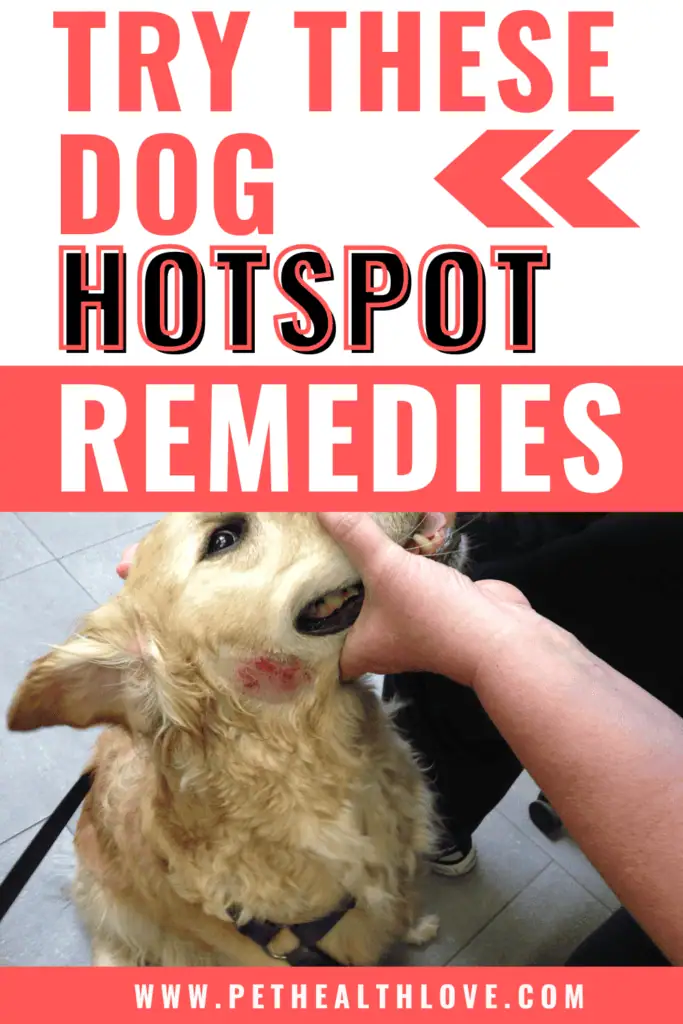
A dog hot spot usually starts as a small area of irritated skin, but it can change quickly. Early on, you may notice a patch of fur that looks damp or clumped together from licking. As the area worsens, the hair often falls out, revealing red, inflamed skin underneath.
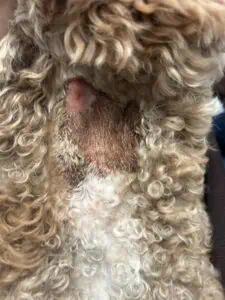
Most hot spots appear bright red, moist, and raw. The skin may look shiny, oozy, or crusted around the edges. Because hot spots are painful and itchy, dogs often lick or chew the area nonstop, which causes the lesion to spread. In more advanced cases, the skin can develop a strong odor or discharge, signaling infection.
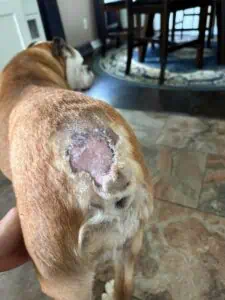
Hot spots are commonly found on the face, neck, hips, legs, or behind the ears, but they can appear anywhere on the body. They often look much worse than they did just hours earlier, which is one of the hallmarks of this condition.
If you ever notice a rapidly expanding, red, wet-looking patch on your dog’s skin, it’s safest to assume it could be a hot spot and take action right away.
What Causes Hot Spots in Dogs?
As a veterinarian, I see hot spots most often as the result of the itch–scratch–lick cycle. Something irritates your dog’s skin. Your dog responds by licking, chewing, or scratching. That repeated trauma damages the skin barrier, allowing bacteria that normally live on the skin to cause an infection.
While the end result looks the same—a painful, inflamed lesion—the underlying trigger can vary. These are the most common causes I see in practice.
Fleas and Ticks
Even a single flea bite can be enough to trigger intense itching in some dogs. Dogs with flea allergy dermatitis are especially prone to hot spots because their immune systems overreact to flea saliva. Once the scratching starts, the skin quickly becomes inflamed and infected.
This is one of the most common causes of sudden hot spots I see clinically.
Allergies (Food, Environmental, or Flea-Related)
Allergies are a major contributor to recurrent hot spots. Dogs with food allergies or environmental allergies (such as pollen, mold, or dust mites) often have chronically itchy skin. When that itch focuses on one area, hot spots can develop quickly. If a dog gets hot spots repeatedly, allergies are always high on my list of concerns.
Ear Infections
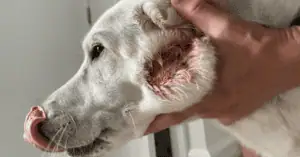
Ear infections are an often-overlooked trigger, especially in floppy-eared breeds like Cocker Spaniels. When the ears are itchy or painful, dogs scratch or rub their ears and surrounding skin. That moisture, trauma, and bacteria can easily lead to hot spots around the ears, neck, or cheeks.
Poor Grooming or Matted Fur
Matted fur traps moisture, heat, and bacteria close to the skin. I commonly see hot spots develop under mats where owners didn’t realize how irritated the skin underneath had become. This is particularly common in dogs with thick or long coats if regular brushing isn’t maintained.
Moisture in the Coat
Hot spots love moisture. Dogs that swim frequently, get bathed often, or live in humid climates are at higher risk—especially if their coats aren’t dried thoroughly. Damp skin creates the perfect environment for bacterial overgrowth once licking or scratching begins.
Insect Bites or Minor Skin Wounds
A small bug bite, scrape, or cut can become a big problem if your dog won’t leave it alone. Even minor skin injuries can spiral into hot spots when licking and chewing prevent normal healing.
Stress or Boredom
Some dogs lick or chew their skin as a coping behavior. I see this most often in dogs with anxiety, changes in routine, or insufficient mental stimulation. Over time, repetitive licking can damage the skin enough to cause infection, even without an initial physical trigger.
Breed and Coat Type
Dogs with dense undercoats—such as Golden Retrievers, Labradors, and Pit bulls—tend to be more prone to hot spots. Their thick coats trap heat and moisture, making it easier for irritation and infection to develop once the itch–lick cycle starts.
What Will the Vet Do for a Dog Hot Spot?
Mild hot spots caught early may improve with careful home care. However, if a hot spot is painful, spreading, oozing, or not improving within a day or two, veterinary treatment is usually needed.
At the vet, treatment focuses on quickly stopping the itch–lick cycle and treating infection. In most cases, the fur around the hot spot is clipped so the skin can dry and medications can work. The area is cleaned with a chlorhexidine solution and flushed with sterile saline to remove bacteria and debris—often providing noticeable relief right away.
If your dog is very itchy or painful, your veterinarian may give a pain-relieving injection, and prescribe Apoquel, or Cytopoint (allergy medications). Because hot spots commonly involve bacterial infection, oral antibiotics like Cephalexin or Convenia, along with a medicated shampoo and topical spray, are often sent home. Dogs are also usually placed in a cone or recovery collar to prevent further licking.
In practice, most hot spots I see improve quickly once proper treatment starts and licking is controlled. When in doubt, early veterinary care can prevent a small hot spot from turning into a much larger problem.
How to Treat a Dog Hot Spot at Home
If you catch a hot spot early and it’s small, mildly inflamed, and not oozing heavily, you may be able to start treatment at home.
As a veterinarian, I always stress that home care is about stopping the itch–lick cycle and keeping the area clean and dry. If the hot spot worsens or doesn’t improve quickly, veterinary care is still needed.
Here’s how to safely manage a mild hot spot at home.
Prevent licking and chewing right away
The most important first step is stopping your dog from licking, chewing, or scratching the area. Continued licking will make even a small hot spot worse. Use an Elizabethan collar, recovery cone, or inflatable collar as soon as you notice the lesion.
Trim the fur around the hot spot
Carefully clip or trim the hair around the affected area to fully expose the skin. This allows air to reach the skin and prevents moisture from being trapped. Use clippers if possible and be gentle, especially if the area is sore. If your dog is painful or won’t tolerate this, stop and contact your vet.
Clean the area gently
Clean the hot spot once or twice daily using a pet-safe antiseptic, ideally a chlorhexidine-based solution. This helps reduce surface bacteria and removes debris.
DO NOT USE hydrogen peroxide, alcohol, or essential oils, as these can damage healing tissue and delay recovery.
Dry the skin completely
Moisture makes hot spots worse. After cleaning, gently pat the area dry with a clean towel. Make sure the skin is fully dry before applying any topical product.
Apply a dog-specific topical treatment
Use a pet-safe hot spot spray or cream designed to reduce bacteria and soothe irritation. Apply only as directed and avoid products made for humans.
Keep the area clean and monitor closely
Check the hot spot at least once daily. It should look less red, less moist, and less painful over the next 24–48 hours.
If the spot grows, starts oozing, smells bad, or your dog seems painful or lethargic, stop home treatment and call your veterinarian.
Address potential triggers
While the skin heals, make sure your dog is protected from fleas, fully dried after baths or swimming, and not repeatedly exposed to known allergens. Reducing the trigger helps prevent the hot spot from flaring again.

How to Prevent Hot Spots in Dogs
Good daily habits can help prevent hot spots from returning.
- Groom your dog regularly to remove loose fur and spot skin issues early, especially in thick-coated breeds.
- Dry your dog thoroughly after baths or swimming since trapped moisture can trigger hot spots.
- Use consistent flea and tick prevention because even one bite can start the itch-lick cycle.
- Talk with your veterinarian if hot spots keep recurring, as allergies may be involved.
- Keep ears clean, particularly in floppy-eared breeds.
- Make sure your dog gets enough physical and mental stimulation to reduce licking caused by boredom or stress.
Frequently Asked Questions
Can hot spots kill a dog?
Dog hot spots are usually not life-threatening, but they can become painful and worsen quickly if left untreated. Prompt treatment helps prevent the infection from spreading.
What is the best dog hot spot cream?
Some over-the-counter creams with soothing or anti-itch ingredients may help mild hot spots. If the area is large, painful, or spreading, veterinary treatment is often needed.
Does dog hot spot spray work?
Hot spot sprays can help mild cases by reducing bacteria and itching. More severe hot spots may require medication from a veterinarian.
How long does a dog hot spot take to heal?
Most hot spots improve within a few days with treatment and typically heal within one to two weeks.
When should I take my dog to the vet for a hot spot?
See your veterinarian if the hot spot is large, spreading, very painful, or not improving within a couple of days.

Final Thoughts
Dog hot spots are uncomfortable, but you can take action fast. Spotting them early, cleaning the area, and preventing your dog from licking can make a big difference. And with your vet’s help, most dogs bounce back quickly.
Remember: Prevention is easier than treatment. Regular grooming, parasite control, and keeping your pup dry and happy go a long way.
Your dog deserves relief — and with these steps, you’ll be ready to help them heal.

Dr. Georgina Ushi is a veterinarian and freelance medical writer. She earned her Doctor of Veterinary Medicine degree from the University of Florida College of Veterinary Medicine in 2009. Dr. Ushi has worked for 16 years in the Tampa Bay area, providing compassionate care to dogs, cats, and exotic pets.
In addition to her clinical work, she serves as an adjunct instructor at Florida A&M University, teaching in the veterinary technology program. Dr. Ushi also consults for pet well-being brands and writes evidence-based pet health content for Pet Health Love, as well as for PetMD. She is passionate about educating and empowering pet owners through clear, trustworthy information.
Her professional interests include emergency medicine, dermatology, pet telehealth, nutrition, and wildlife medicine.


Leave feedback about this