


Last updated on May 16th, 2026 at 01:46 am
Dog Health & Nutrition
Best Diet for Dogs With Kidney Disease: What to Feed, What to Avoid, and How to Help Your Dog Feel Better
Updated April 2026 · 12 min read · Vet-reviewed guidance for dog owners
Finding out your dog has kidney disease can feel overwhelming. Your first question is probably, “What should I be feeding them?” And that’s exactly where you should start—because diet is one of the most powerful tools you have to help slow the progression of kidney disease and keep your dog feeling their best.
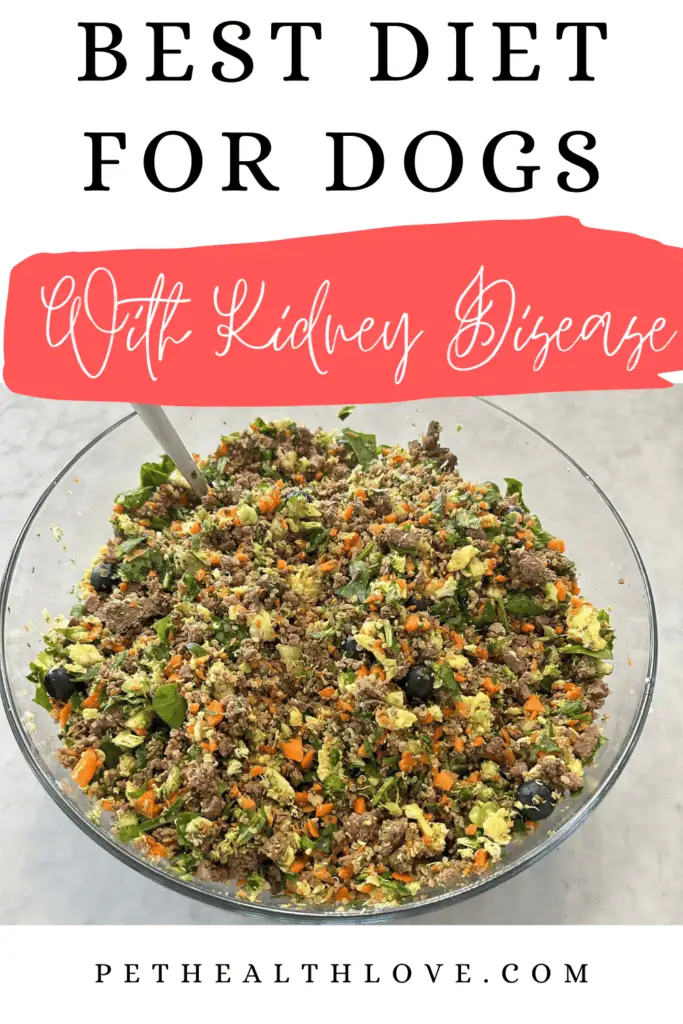
In this guide, I’ll break everything down in a clear, easy-to-understand way so you know what to feed, what to avoid, and how to make the best choices for your dog. I’m also including a simple kidney-friendly recipe you can try at home.
Affiliate Disclaimer: This post may contain affiliate links, which means we may earn a small commission if you purchase something through our links. This helps support our website and allows us to continue providing valuable content. See our full disclosure here.
In This Post
- What kidney disease actually means for your dog
- Why diet matters so much
- Key things to look for in a kidney diet
- Foods to feed vs. foods to avoid
- Best commercial dog foods for kidney disease
- Homemade kidney diet — is it a good idea?
- Supplements that may help
- Tips to get a picky dog to eat their kidney food
- FAQs
What kidney disease actually means for your dog
The kidneys are responsible for filtering waste from your dog’s blood, controlling hydration, managing blood pressure, and producing important hormones. When the kidneys stop working well, waste builds up in the bloodstream — and that makes dogs feel pretty lousy.
Kidney disease in dogs is usually broken into stages 1 through 4 (based on the IRIS staging system). Stage 1 is the mildest, stage 4 is the most severe. Most dogs are diagnosed somewhere in stage 2 or 3.
Quick note: Kidney disease and kidney failure aren’t the same thing. Kidney disease means the kidneys are damaged but still working. Kidney failure means they’ve largely stopped. Diet changes can make a real difference in both cases, but especially in the earlier stages.
Common symptoms include increased thirst, frequent urination, weight loss, vomiting, loss of appetite, and low energy. If your dog has been diagnosed, your vet has likely already talked to you about bloodwork values like creatinine, BUN (blood urea nitrogen), and phosphorus levels — all of which diet directly impacts.
Why diet matters so much

Here’s the simple version: when the kidneys can’t filter waste properly, certain nutrients — especially phosphorus and protein byproducts — build up in the blood to toxic levels. A kidney-specific diet is designed to reduce that buildup so the kidneys don’t have to work as hard.
Study after study has shown that dogs with chronic kidney disease who eat a proper renal diet live longer and have a better quality of life than those who don’t. That’s not an exaggeration. Diet really is that important here.
Key things to look for in a kidney diet
1. Low phosphorus
This is the big one. Phosphorus makes damaged kidneys worse, fast. A kidney diet should have significantly reduced phosphorus levels. Look for foods with phosphorus listed as a percentage of dry matter — ideally under 0.5% for most dogs with kidney disease.
2. Moderate, high-quality protein
There’s a lot of confusion about protein and kidney disease. You don’t want to eliminate protein entirely — dogs still need it to maintain muscle mass. But you do want to reduce it and make sure it comes from high-quality sources like eggs, chicken, or fish. Lower-quality proteins leave more waste products behind.
3. Low sodium
High sodium raises blood pressure, which puts more strain on the kidneys. Kidney diets are typically low in sodium to protect what kidney function remains.
4. Higher moisture content
Staying hydrated is really important for dogs with kidney disease. Wet food is often recommended over dry kibble because it naturally increases water intake. If your dog eats dry food, adding water or low-sodium broth can help.
5. Omega-3 fatty acids
Omega-3s — especially EPA and DHA from fish oil — have been shown to reduce inflammation in the kidneys and may actually slow the progression of kidney disease. This is one of the few supplements that has solid research behind it for kidney disease in dogs.
6. Controlled potassium
Some dogs with kidney disease have trouble regulating potassium. Your vet may recommend a diet that’s either lower or slightly higher in potassium depending on your dog’s individual bloodwork.
Foods To Feed vs. Foods To Avoid
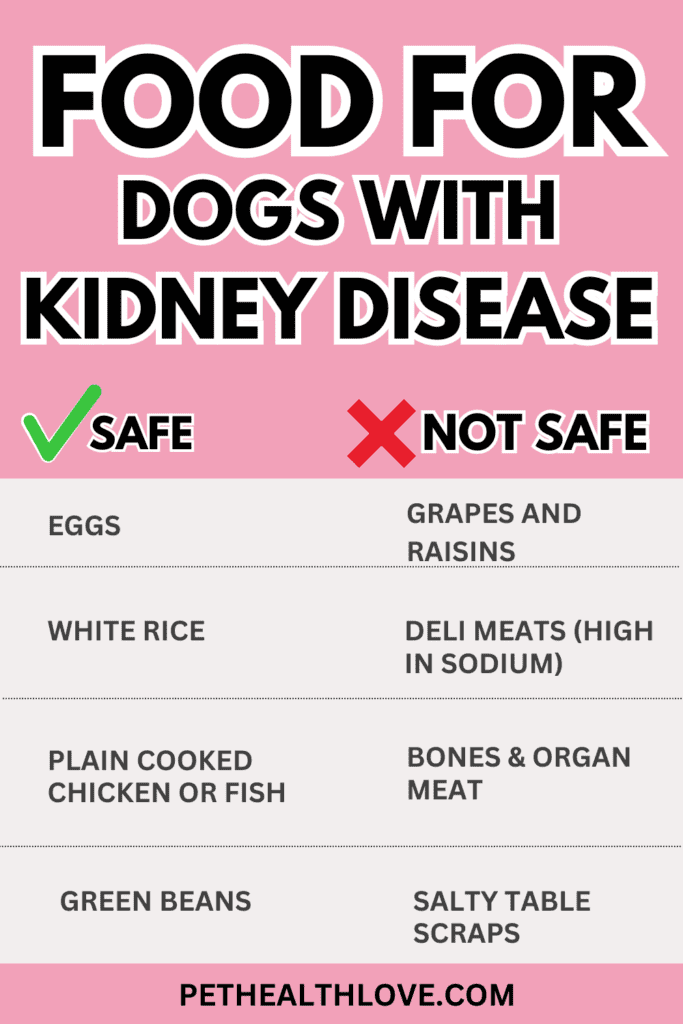
Important: Grapes and raisins are extremely toxic to dogs with or without kidney disease, and can cause sudden kidney failure even in healthy dogs. Keep these away from your dog always.
Best commercial dog foods for kidney disease
Prescription renal diets are the gold standard for dogs with kidney disease. These are formulated specifically to hit the right phosphorus, protein, and sodium levels your dog needs. Your vet may recommend one of these brands — and while they’re pricier than regular dog food, they’re worth it.

🛒 Affiliate Pick
Hill’s Prescription Diet k/d Kidney Care
One of the most researched and vet-recommended renal diets. Available in dry and wet formulas. Clinically shown to extend and improve quality of life in dogs with kidney disease.
🛒 Affiliate Pick
Royal Canin Renal Support
Comes in several textures and flavors — great if your dog is picky. Low in phosphorus with added antioxidants. Both wet and dry formulas available.
🛒 Affiliate Pick
Purina Pro Plan Veterinary Diets NF Kidney Function
A well-regarded option that many dogs find very palatable. Formulated to support kidney function and manage phosphorus levels. Available in wet and dry.
Note: Prescription kidney diets require a vet’s authorization. Talk to your vet before switching your dog’s food. Switching too quickly can also upset your dog’s stomach — transition slowly over 7–10 days.
Homemade kidney diet — is it a good idea?

Some pet owners want to cook for their dog with kidney disease—and that’s completely understandable. Homemade food can be a great option, but it’s also one of the easiest ways to accidentally get things wrong.
When it comes to feeding dogs with kidney disease, you really have three main options:
- A commercial prescription kidney diet
- A home-cooked diet you prepare yourself
- A custom recipe created by a veterinary nutritionist (or formulated through tools like Balance IT)
All three can work—but they are not equal in terms of precision and safety.
The biggest challenge with homemade diets
The goal with kidney disease isn’t just “healthy food.” It’s very specific nutrition targets.
You have to carefully control phosphorus, protein, and sodium.
And that’s where things get tricky.
A diet that looks healthy (like chicken, rice, and vegetables) can still be too high in phosphorus or unbalanced in a way that actually makes kidney disease progress faster.
Protein choices that work best
If you are cooking at home, protein matters a lot.
Two of the most kidney-friendly options to build around are:
- lean poultry like chicken or turkey
- egg whites
These provide high-quality protein with lower phosphorus compared to many other protein sources.
Simple Homemade Kidney-Friendly Dog Food Recipe
I do have a very simple, gentle recipe that can work as a short-term option or starting point—but it’s important to check with your veterinarian before using it long-term.
This is a basic, easy-to-make recipe using ingredients that are generally well-tolerated by dogs with kidney disease. It can be used as a short-term option or a topper to encourage eating, but should not replace a complete, balanced diet without veterinary guidance.
Ingredients:
- 1 cup cooked white rice
- ½ cup cooked lean chicken (boiled, skinless, no seasoning)
- ¼ cup cooked carrots
- ¼ cup cooked green beans
- 1 teaspoon fish oil (such as omega-3 fatty acids source)
Instructions:
Cook all ingredients thoroughly. Chop or shred the chicken into small pieces and mix everything together. Allow the food to cool before serving.
How to feed:
Serve in small portions based on your dog’s size, and refrigerate leftovers for up to 2–3 days.
The safest way to do homemade feeding
If you want to do this the right way long-term, the most important step is working with a board-certified veterinary nutritionist.
You can find one through organizations like American College of Veterinary Nutrition.
They will create a diet specifically tailored to:
- your dog’s stage of kidney disease
- current weight and body condition
- lab work (especially phosphorus levels)
That level of precision is something you just can’t get from guessing or pulling recipes online.
📚 Helpful Resource
Kidney Disease Treat and Cookbook For Dogs
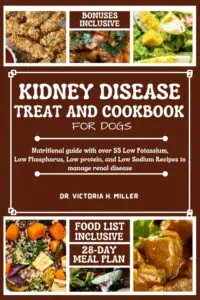
A helpful reference for owners who want to cook for their kidney disease dog — includes recipes formulated to be lower in phosphorus and protein.
Supplements that may help
Fish oil (omega-3 fatty acids)
This is the one supplement with the strongest research backing for kidney disease in dogs. Fish oil containing EPA and DHA has been shown to reduce kidney inflammation and may slow disease progression. Look for a dog-specific formula with clear EPA/DHA content listed on the label.
🛒 Affiliate Pick — Supplement
Nordic Naturals Omega-3 Pet
A clean, well-sourced fish oil supplement made for dogs. No artificial additives. Easy to pump onto food. Good EPA/DHA ratio for kidney support.
Phosphate binders
If your dog’s phosphorus is hard to control through diet alone, your vet might recommend a phosphate binder. These are given with meals and help block phosphorus from being absorbed in the gut. Common options include aluminum hydroxide and calcium carbonate. Never give these without your vet’s guidance — the dose matters a lot.
B vitamins
Dogs with kidney disease urinate more frequently, which can cause them to lose water-soluble B vitamins faster than healthy dogs. Some kidney diets already supplement these, but if your dog is on a homemade diet, your vet may recommend a B-complex supplement.
Probiotics
There’s growing interest in probiotics for dogs with kidney disease — some strains of gut bacteria can break down waste products like urea in the gut before they reach the bloodstream. Ask your vet if a renal-specific probiotic like Azodyl might be worth trying for your dog.
🛒 Affiliate Pick — Supplement
Azodyl Kidney Health Supplement for Dogs
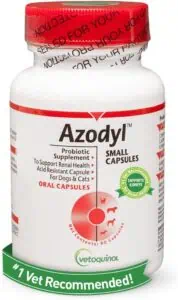
A probiotic supplement specifically formulated to support kidney health in dogs and cats. Often recommended by vets as a supportive therapy alongside a renal diet.
Tips to get a picky dog to eat their kidney food
One of the hardest parts of managing kidney disease is getting your dog to actually eat the food they need. Dogs with kidney disease often feel nauseated, which makes appetite a real challenge. Here are some things that help:
Warm the food up. Warming wet food to just above room temperature makes it smell more appetizing and is often more appealing to a dog with low appetite.
Try different textures. If your dog won’t eat the pâté style, try the stew or shredded version — many kidney food brands offer multiple textures.
Add low-sodium broth. A splash of low-sodium chicken or beef broth can make food more enticing without adding harmful sodium.
Feed smaller, more frequent meals. Rather than two big meals, try three or four smaller ones throughout the day — this can be easier on a nauseated stomach.
Transition slowly. Mixing the new food with the old food over 7–10 days can make the switch much easier on both the stomach and the taste buds.
Ask your vet about anti-nausea medication. If your dog is consistently refusing food, there are medications that can help manage nausea and stimulate appetite.
💡 Helpful Product
Slow feeder or elevated food bowl
For dogs with nausea, an elevated bowl can reduce gulping and make eating more comfortable. A slow feeder helps dogs who eat too fast and then feel sick.
Frequently asked questions
Can my dog eat regular dog food if they have kidney disease?
Regular dog food usually has too much phosphorus and protein for a dog with kidney disease. It won’t cause immediate harm, but over time it can speed up kidney damage. A kidney-specific diet is strongly recommended once your dog is diagnosed.
How long can a dog live with kidney disease on a proper diet?
It really depends on the stage of the disease when diagnosed. Dogs with early-stage kidney disease who are put on a renal diet can live for years in comfort. Dogs diagnosed in later stages have a shorter prognosis, but diet still makes a meaningful difference in quality of life.
Is wet food better than dry food for dogs with kidney disease?
Generally yes — wet food has much higher moisture content, which helps keep dogs with kidney disease hydrated. Hydration is a big deal for kidney function. If your dog prefers dry food, you can add water or broth to it.
Can I give my dog treats if they have kidney disease?
Most regular treats are off the table because they’re high in phosphorus and sodium. Some kidney-diet brands make low-phosphorus treats. Small pieces of apple, blueberries, or green beans can also work as occasional treats. Ask your vet for guidance specific to your dog.
Should my dog drink more water with kidney disease?
Yes, staying hydrated helps the kidneys flush out waste more effectively. Many dogs with kidney disease drink a lot on their own because their kidneys are less efficient at concentrating urine. Make sure fresh water is always available, and consider a pet water fountain — many dogs drink more from moving water.
💡 Helpful Product
Pet water fountain

Many dogs with kidney disease drink more water from a fountain than a still bowl. Keeping your dog well-hydrated is one of the most helpful things you can do for their kidneys.
The bottom line
Managing kidney disease in dogs is not easy — but it is manageable. Diet is your most powerful tool. A low-phosphorus, moderate-protein, high-moisture diet can genuinely slow the progression of the disease and help your dog feel better day to day.
Work closely with your vet, get regular bloodwork done to monitor your dog’s levels, and don’t hesitate to ask for a referral to a veterinary nutritionist if you want more personalized guidance. Your dog is lucky to have someone who cares enough to do this research.

Dr. Georgina Ushi is a veterinarian and freelance medical writer. She earned her Doctor of Veterinary Medicine degree from the University of Florida College of Veterinary Medicine in 2009. Dr. Ushi has worked for 16 years in the Tampa Bay area, providing compassionate care to dogs, cats, and exotic pets.
In addition to her clinical work, she serves as an adjunct instructor at Florida A&M University, teaching in the veterinary technology program. Dr. Ushi also consults for pet well-being brands and writes evidence-based pet health content for Pet Health Love, as well as for PetMD. She is passionate about educating and empowering pet owners through clear, trustworthy information.
Her professional interests include emergency medicine, dermatology, pet telehealth, nutrition, and wildlife medicine.






2 Comments